October 6, 2026
Electricity powers nearly every aspect of modern life, from lighting and heating to appliances, electronics, and home security systems. Because so much depends on a reliable electrical system, problems should never be ignored. While some minor issues may have simple explanations, others can indicate damaged wiring, overloaded circuits, or components that require professional attention.
Knowing when to contact a residential electrician can help homeowners address problems before they become expensive repairs or serious safety hazards. Understanding the warning signs can also make it easier to distinguish between a minor inconvenience and an electrical issue that requires immediate attention.
What Are the Warning Signs of Faulty Wiring?
Faulty or deteriorating wiring can create significant risks inside a home. Electrical wiring is generally designed to provide years of reliable service, but age, physical damage, improper installation, and excessive electrical loads can all contribute to problems.
One warning sign is the presence of burning or unusual odors near outlets, switches, appliances, or electrical panels. A warm or discolored outlet can also indicate excessive heat or a poor connection. Homeowners should take buzzing, crackling, or sizzling sounds seriously, particularly when those sounds come from outlets, switches, or walls.
Another potential warning sign is receiving an electrical shock when touching an appliance or switch. Even a small shock should not simply be dismissed. It may indicate grounding problems or another underlying electrical issue.
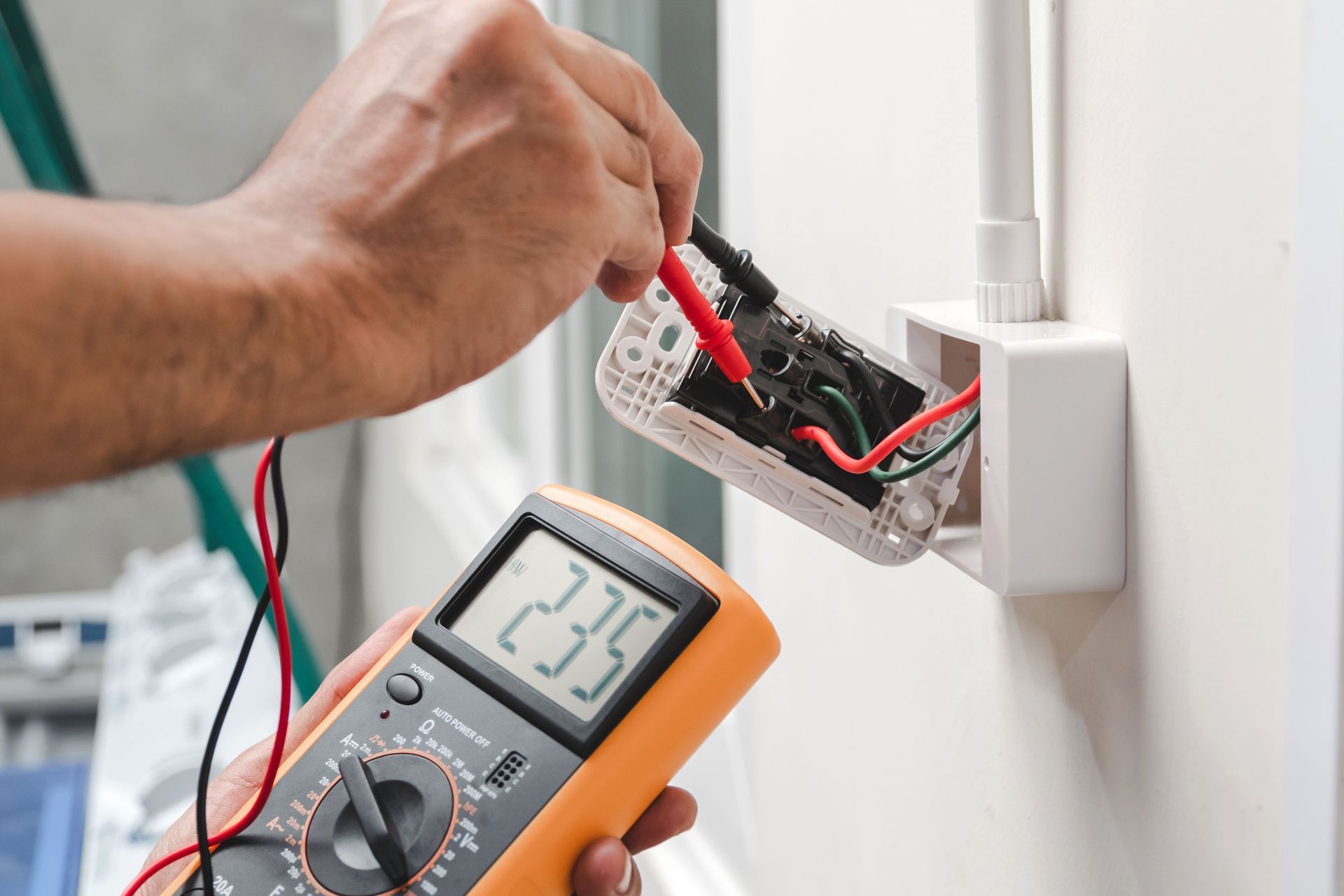
A residential electrician can inspect wiring, connections, outlets, and other components to identify the source of these symptoms. If there is smoke, a strong burning smell, visible sparking, or another indication of an active electrical hazard, turn off the affected circuit if it is safe to do so and seek professional assistance.
How Can I Tell If My Circuit Breaker Is Overloaded?
Circuit breakers serve an important safety function by interrupting power when a circuit experiences excessive current. Occasional breaker trips can happen when several high-demand appliances operate simultaneously, but frequent trips should not be considered normal.
For example, repeatedly resetting a breaker after running an air conditioner, space heater, microwave, or other high-wattage appliance could indicate that a circuit is being asked to handle more electrical demand than it can safely accommodate. The problem could involve the circuit itself, an appliance, or the home's overall electrical configuration.
A residential electrician can determine why a breaker is repeatedly tripping and identify an appropriate solution. That may involve redistributing electrical loads, repairing a faulty component, or determining whether additional circuits are necessary.
Homeowners should avoid repeatedly resetting a breaker without investigating the underlying cause. A breaker is designed to respond to an unsafe electrical condition, so treating it as an inconvenience rather than a warning can allow a more serious problem to continue.
Why Do My Lights Keep Flickering?
Flickering lights may have a straightforward explanation, such as a loose bulb or a problem with a particular fixture. However, persistent or widespread flickering can also indicate an electrical issue that deserves attention.
If only one light flickers, checking whether the bulb is securely installed or replacing it may resolve the problem. If multiple lights flicker at the same time, especially when large appliances turn on, the issue may involve wiring, connections, circuits, or fluctuations within the home's electrical system.
Changes in brightness can also provide useful clues. Lights that suddenly become noticeably brighter or dimmer when appliances operate may warrant professional evaluation.
A residential electrician can troubleshoot the system and determine whether the problem originates with a fixture, circuit, connection, or another component. Diagnosing the cause is important because simply replacing bulbs will not correct an underlying electrical fault.
When Should I Upgrade My Electrical Panel?
Electrical panels distribute power throughout the home and provide protection against excessive current. Older panels may have been adequate when a house used relatively little electricity, but modern homes can place substantially greater demands on their electrical systems.
Homeowners considering renovations or adding major electrical loads should have their existing panel evaluated. Installing appliances such as electric vehicle chargers, heat pumps, electric ranges, or other high-demand equipment may require additional electrical capacity.
Frequent breaker trips, insufficient circuits, outdated equipment, or visible damage around the panel can also indicate that an evaluation is appropriate. However, a panel upgrade is not automatically necessary simply because a home is old. The appropriate solution depends on the condition and capacity of the existing electrical system.
According to the U.S. Bureau of Labor Statistics, about 81,000 electrician job openings are projected each year, on average, over the decade. This continued demand reflects the importance of skilled electrical professionals in maintaining, repairing, and installing electrical systems.
A residential electrician can assess the panel, determine the home's current and anticipated electrical requirements, and explain whether repairs, additional circuits, or a larger upgrade are appropriate.
Is It Safe to Do Electrical Repairs Myself?
DIY projects can be useful for homeowners when the task is well within their abilities, but electrical repairs require particular caution. Mistakes can result in electric shock, fires, damaged equipment, or violations of applicable electrical requirements.
Some basic tasks, such as replacing a light bulb or resetting a properly functioning breaker, generally do not require professional electrical expertise. More involved work is different. Installing new wiring, modifying circuits, replacing panels, troubleshooting unexplained electrical problems, or working inside electrical equipment can carry significant risks. Even seemingly straightforward electrical projects can become complicated when existing wiring does not match expectations. Older homes may contain outdated wiring methods or previous modifications that are difficult to identify without professional experience. Attempting to work around these conditions without the proper knowledge can create additional problems or make an existing hazard worse.
It can also be difficult for an inexperienced homeowner to recognize a problem that is hidden behind walls or inside junction boxes. An apparently simple repair may be connected to a larger issue involving grounding, circuit capacity, or previous installation work.
Calling a residential electrician is particularly important when the source of an electrical problem is unclear. Professional troubleshooting can identify the underlying cause instead of merely treating the most obvious symptom. It can also help ensure that electrical work is performed safely and according to applicable requirements.
Homeowners should never work on energized electrical equipment or attempt a repair when they are unsure how to safely isolate the circuit. When in doubt, professional evaluation is the safer approach.
How Can Professional Electrical Help Protect Your Home?
Recognizing electrical warning signs early can prevent small problems from becoming more disruptive or dangerous. Burning odors, warm outlets, unexplained shocks, persistent breaker trips, flickering lights, and inadequate electrical capacity all deserve appropriate attention.
Electrical systems are interconnected, which means a symptom in one location can sometimes originate elsewhere. Professional troubleshooting can help identify those connections and determine what needs to be repaired, replaced, or upgraded.
Knowing when to call a
residential electrician is ultimately about recognizing the limits of routine home maintenance. Prompt attention can protect electrical equipment, reduce the likelihood of damage, and provide greater confidence that the home's electrical system is functioning as intended.
When an electrical problem goes beyond a simple homeowner task, professional expertise is a practical part of maintaining a safe and dependable home. If you're looking for skilled residential electricians, reach out to the team at Prosperity Electric today!